



The Shared Responsibility for Ending Insecurity in a Troubled Society
By: Olusegun Ogunkayode[RovroundNews]
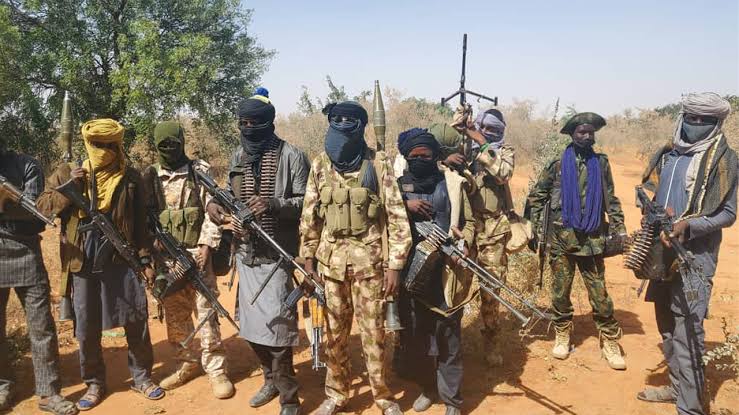
Insecurity is no longer a distant concept discussed only in war rooms, military formations, or intelligence briefings. It has become a frightening reality woven into the daily lives of ordinary citizens. From terrorism to banditry, kidnapping to cybercrime, cult violence to communal clashes, societies across the world, particularly developing nations, are grappling with deepening insecurity that threatens peace, development, and human existence itself.
In many communities today, people sleep with one eye open. Farmers abandon their farms for fear of attacks. Students are kidnapped from schools. Worship centres are invaded. Highways become death traps. Businesses collapse because investors fear uncertainty. Citizens gradually lose confidence in institutions meant to protect them. Fear becomes normalized, and survival replaces hope.
Yet insecurity does not emerge from a vacuum. It is often the product of accumulated failures-economic hardship, weak institutions, corruption, political selfishness, social injustice, religious extremism, moral decay, unemployment, poor education, misinformation, and international conspiracies. Therefore, tackling insecurity cannot be the sole responsibility of the military or the police. It requires a collective national and global effort.
The fight against insecurity must involve the members of society, security agencies, government officials, international partners, media practitioners, religious leaders, educational institutions, traditional rulers, parents, and even technology companies. Every stakeholder has a role to play. Where one fails, insecurity finds fertile ground to germinate. This is the painful reality confronting many nations today.
One of the greatest weapons against insecurity is information. Criminals thrive where silence exists. Terrorists flourish where communities refuse to speak. Kidnappers succeed where suspicious movements are ignored. Security agencies can only act effectively when citizens cooperate with them.
Unfortunately, many communities have cultivated a culture of indifference. People witness suspicious activities but remain silent out of fear, tribal sentiment, political loyalty, or mistrust of security agencies. Some even protect criminals because they belong to the same ethnic group, religion, or community. This dangerous attitude weakens national security architecture.
Every citizen is a potential intelligence officer. The market woman who notices strange faces, the commercial driver who hears suspicious conversations, the youth leader who observes unusual gatherings, the landlord who rents houses to unknown persons, all possess valuable information capable of preventing attacks.
Community policing therefore becomes essential. Local vigilante groups, neighborhood watch associations, and traditional institutions can complement formal security agencies through grassroots intelligence gathering. Security is strongest when communities are actively involved.
However, citizens will only cooperate when they trust the system. Many people avoid sharing information because whistleblowers are often exposed, threatened, or abandoned. Governments must therefore create secure channels for anonymous reporting and ensure the protection of informants.
Furthermore, civic education is necessary. Citizens must understand that security is everybody’s business. Patriotism should compel people to place national interest above ethnic, political, or religious loyalties. A society that refuses to expose criminals eventually becomes a victim of criminality itself.
Security agencies remain the backbone of national security. The police, military, intelligence services, civil defense corps, immigration, customs, and other agencies risk their lives daily to maintain peace and order. Many officers have died defending communities against terrorists, insurgents, kidnappers, and armed robbers.
Yet despite their sacrifices, security agencies face enormous challenges. One major problem is sabotage. Criminal elements often infiltrate security institutions. Sensitive information leaks to criminals before operations are carried out. Some corrupt officers sell weapons to terrorists. Others collect bribes at checkpoints, allowing dangerous persons to move freely.
Such betrayal weakens morale among patriotic officers and undermines public confidence. To effectively combat insecurity, governments must strengthen internal accountability mechanisms within security institutions. Officers found collaborating with criminals should face severe punishment. Promotions should be based on competence, professionalism, and integrity rather than favoritism or political connections.
Again, inadequate welfare, poor salaries, delayed allowances, insufficient insurance, and lack of modern equipment reduce the effectiveness of security personnel. It is unrealistic to expect maximum commitment from officers working under terrible conditions.
Modern insecurity also requires modern solutions. Criminals now use drones, encrypted communication systems, cyber tools, and artificial intelligence. Security agencies must therefore embrace advanced technology including surveillance systems, digital intelligence, biometric databases, satellite monitoring, forensic laboratories, and cybercrime detection tools.
Training is equally important. Security officers need regular professional development in intelligence gathering, negotiation, counterterrorism operations, cyber warfare, crowd management, and human rights compliance.
Importantly, security agencies must avoid human rights abuses. Extrajudicial killings, torture, unlawful detention, and harassment of innocent citizens often create resentment and fuel radicalization. Security operations should be firm but lawful.
The war against insecurity cannot be won through brute force alone. It must combine intelligence, professionalism, discipline, technology, and public trust.
Perhaps the greatest tragedy in many nations battling insecurity is the absence of patriotism among political leaders and public officials. Corruption, greed, selfishness, and abuse of power continue to destroy governance structures and weaken national stability.
Insecurity thrives where leadership fails. When public funds meant for roads, education, healthcare, job creation, and security are diverted into private pockets, poverty increases. Frustration grows among citizens. Unemployed youths become vulnerable to recruitment by criminal gangs, insurgents, extremists, and political thugs.
Some politicians even weaponize insecurity for political advantage. They sponsor violence during elections, arm youths, manipulate ethnic divisions, and spread hate speech. After elections, the weapons remain in circulation, creating long-term security threats.
True leadership requires sacrifice and patriotism. Government officials must understand that public office is a sacred trust, not an avenue for personal enrichment. Leaders who genuinely love their country invest in human capital, strengthen institutions, create opportunities, and ensure justice.
Justice itself is central to national security. Where citizens feel marginalized, oppressed, or excluded, tension escalates. Ethnic favoritism, religious discrimination, political persecution, and uneven distribution of resources often generate anger and separatist tendencies. Governments must therefore promote inclusiveness, fairness, and equal opportunities for all citizens regardless of tribe, religion, or social class.
Transparency also matters. Citizens lose confidence when governments hide information or deny obvious realities. Honest communication builds trust, especially during security crises.
Furthermore, leaders must avoid inflammatory rhetoric. Political statements capable of inciting violence should be condemned regardless of who makes them. Leaders should unite citizens, not divide them. A patriotic government places national interest above politics.
Insecurity today has become globalized. Terrorism, cybercrime, arms trafficking, money laundering, drug smuggling, and human trafficking often transcend national borders. No country can tackle these threats alone. International cooperation therefore remains crucial.
Developed nations and international organizations can support vulnerable countries morally, financially, economically, and technologically. Intelligence sharing between countries helps track terrorist networks and criminal organizations operating across borders.
Military partnerships, joint training exercises, and equipment support also strengthen local security capacity. Advanced nations possess sophisticated technologies that can assist in surveillance, intelligence analysis, border monitoring, and cyber defense.
Economic support is equally important. Poverty, unemployment, and weak institutions often fuel insecurity. International investments in education, agriculture, infrastructure, healthcare, and youth empowerment can reduce desperation and social unrest.
However, international involvement must be sincere and balanced. Some foreign powers exploit insecurity for geopolitical interests, arms sales, or economic control. Certain conflicts persist because powerful nations profit from instability. The international community must avoid double standards in global security matters. Terrorism should be condemned universally regardless of the perpetrators or victims involved.
The United Nations and regional organizations must also strengthen peacebuilding efforts, conflict mediation, refugee protection, and humanitarian assistance in conflict zones.
Migration crises caused by insecurity have become a global concern. Millions of displaced persons flee violence annually, creating humanitarian emergencies across continents. Supporting peace in troubled regions therefore benefits the entire world. Global peace requires global responsibility.
The rise of social media has transformed communication positively and negatively. Information now travels faster than ever before. Citizens can report emergencies instantly, mobilize support, and expose injustice. However, the same platforms have become dangerous tools for spreading misinformation, propaganda, cyberbullying, and hate speech.
In many cases, fake news escalates insecurity. False reports of attacks often trigger panic, retaliation, and communal violence. Manipulated videos and edited images spread fear and hatred. Ethnic tensions become amplified online. Political actors deploy propaganda armies to deceive the public.
Artificial intelligence has made the situation even more dangerous. Deepfake technology can fabricate speeches, videos, and audio recordings capable of inciting violence or damaging reputations. Criminals now use AI tools for cyber fraud, identity theft, blackmail, and misinformation campaigns.
Social media handlers, bloggers, influencers, and online publishers therefore carry enormous responsibility. Freedom of expression should not become freedom to spread lies. Media literacy has become essential in modern society. Citizens must learn to verify information before sharing it. Sensational headlines should not replace responsible journalism. Every forwarded message has potential consequences.
Technology companies also have obligations. Social media platforms must strengthen mechanisms for detecting fake accounts, hate speech, violent extremism, and misinformation campaigns while balancing free speech rights. Governments too must act carefully. While regulating harmful online content is important, authorities should avoid using cyber laws to suppress legitimate criticism or silence opposition voices. Responsible digital citizenship is now a national security necessity.
Religion remains one of the most influential forces in society. It shapes values, morality, behavior, and identity. Ideally, religion should promote peace, compassion, tolerance, and justice. Unfortunately, religion is sometimes manipulated to justify violence, extremism, hatred, and division.
Religious leaders therefore have critical roles in combating insecurity—Places of worship should become centers for moral education, peacebuilding, and social harmony. Sermons should emphasize love, tolerance, honesty, and coexistence rather than hatred against other faiths or ethnic groups.
Extremist ideologies often flourish where ignorance exists. Proper religious teaching can counter radicalization by exposing false interpretations used by violent groups. Parents and religious institutions must also monitor vulnerable youths who may be targeted by extremist recruiters online or offline.
Most importantly, religious leaders should avoid inflammatory statements capable of provoking violence. The pulpit must never become a platform for political manipulation or ethnic hostility.
Interfaith dialogue is equally important. Muslim and Christian leaders, traditional worshippers, and other faith communities should collaborate on peace initiatives, humanitarian support, and youth development programs. Religion should unite humanity rather than divide it.
Economic hardship remains one of the strongest drivers of insecurity. Hunger can push desperate individuals toward crime. Unemployment creates frustration among youths who feel abandoned by society. Where millions struggle for survival, criminal networks find easy recruits.
Kidnapping, internet fraud, armed robbery, illegal mining, drug trafficking, cultism, and insurgency often attract unemployed youths seeking income and identity. Poverty itself does not automatically create criminals, but widespread economic hopelessness increases vulnerability to criminal influence.
Governments must therefore prioritize economic empowerment. Job creation, vocational training, entrepreneurship support, agricultural development, and industrialization can reduce insecurity significantly.
Education also plays a major role. Quality education equips citizens with skills, critical thinking, and opportunities for lawful livelihoods. Schools should not merely produce certificate holders but productive citizens.
Youth empowerment programs must be transparent and sustainable rather than politically motivated empowerment schemes designed for publicity. Economic justice strengthens national security.
Another overlooked factor in insecurity is the collapse of family values and moral discipline. Many children grow up without proper parental guidance. Some parents are too busy chasing survival or wealth to monitor their children’s behavior. Others indirectly encourage criminality by celebrating unexplained wealth.
A society that glorifies material success without questioning its source creates dangerous role models. Children learn first from their homes. Respect, honesty, discipline, empathy, and responsibility should begin within the family structure. Schools and religious institutions can only compliment/reinforce values already introduced at home.
Drug abuse among youths also contributes to rising violence and criminal behavior. Families, schools, and communities must work together to combat substance abuse through counseling, rehabilitation, and awareness campaigns. Strong families build stable societies.
Before modern governance systems emerged, traditional rulers played major roles in maintaining peace and order within communities. Many still command respect and influence among local populations.
Traditional institutions can support security efforts through mediation, intelligence gathering, conflict resolution, and cultural education. Community disputes over land, chieftaincy, or ethnicity can escalate into violence when ignored. Traditional rulers often possess local knowledge capable of preventing such conflicts from spiraling.
However, traditional institutions must remain neutral and avoid partisan politics. Once traditional leaders become politically compromised, their moral authority weakens. Community leadership remains vital in building peaceful societies.
Education is more than academic learning; it is nation-building. Schools should teach civic responsibility, tolerance, patriotism, critical thinking, and peaceful coexistence. Students must understand the dangers of extremism, fake news, hate speech, corruption, and violence. National orientation agencies also have responsibilities in promoting unity and responsible citizenship. Citizens should see themselves first as members of one nation before ethnic or religious identities. A divided society becomes vulnerable to manipulation and conflict.
Justice delayed is justice denied says the adage. Weak judicial systems contribute significantly to insecurity. When criminals escape punishment through corruption or political influence, public confidence collapses. Citizens may resort to self-help, mob action, or vigilantism.
The judiciary must remain independent, efficient, and fair. Terrorism cases, corruption trials, kidnapping prosecutions, and organized crime matters should be handled swiftly and transparently. Victims of injustice often become angry and radicalized. Fair justice systems therefore strengthen national stability.
Women are often the greatest victims of insecurity, yet they remain powerful agents of peace.
Mothers, teachers, activists, and community leaders play critical roles in preventing violence, mentoring youths, and rebuilding communities after conflicts. Women-led peace initiatives have resolved numerous communal disputes globally. Empowering women economically and politically therefore contributes to long-term security and development.
Finally, insecurity is not merely a military problem. It is a social, political, economic, technological, moral, and global challenge requiring collective action. While citizens are expected to provide timely information, security agencies must operate professionally and resist sabotage. Governments must embrace patriotism, justice, and accountability. International partners must support peace genuinely. Social media handlers must avoid fake news and cyberbullying. Religious leaders must preach tolerance and morality.
Families must raise responsible children. Schools must build patriotic minds. Traditional rulers must promote unity. The judiciary must uphold justice. Technology companies must combat digital manipulation. Communities must reject criminality.
No nation can develop under the shadow of fear. Investors avoid unstable environments. Tourism collapses. Education suffers. Healthcare weakens. Democracy becomes fragile. Peace is the foundation upon which every prosperous society is built.
The war against insecurity cannot be won by guns alone. It must also be fought through truth, justice, education, patriotism, economic opportunity, responsible leadership, moral values, and collective determination.
When society tolerates corruption, celebrates criminal wealth, spreads fake news, fuels hatred, and ignores injustice, insecurity grows stronger. But when citizens unite around truth, justice, patriotism, and peace, insecurity begins to lose its grip.
We must remind ourselves that the future of every nation depends not only on the strength of its weapons but on the strength of its values. And until humanity understands that security is a shared responsibility, fear may continue to rule the streets.