


By: Olusegun Ogunkayode [RovroundNews]
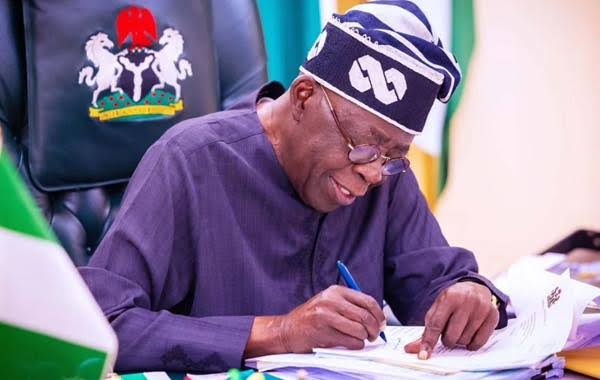
The President and Commander-in-Chief of the Armed Forces, Asiwaju Bola Ahmed Tinubu has signed into law the 2026 Appropriation Bill, approving a record ₦68.32 trillion budget, while also extending the implementation of the 2025 budget to June 30, 2026, in a move aimed at ensuring optimal execution of ongoing projects.
The newly assented budget outlines ₦4.799 trillion for statutory transfers, ₦15.8 trillion for debt servicing, ₦15.4 trillion for recurrent expenditure, and a substantial ₦32.2 trillion allocated to capital expenditure through the Development Fund.
With nearly half of the budget dedicated to capital projects, the Federal Government signalled a strong commitment to infrastructure development, economic stability, and inclusive growth. The administration noted that the fiscal plan reflects a careful balance between meeting statutory obligations and investing in sectors critical to boosting productivity and improving citizens’ welfare.
In addition to the 2026 budget, President Tinubu also signed the Appropriation (Repeal and Enactment) (Amendment) Bill, 2026, effectively extending the capital component of the 2025 budget from its earlier deadline of March 31 to June 30, 2026.
According to the Presidency, the extension is designed to allow Ministries, Departments, and Agencies (MDAs) sufficient time to complete key infrastructure and development projects that are already at advanced stages. It is also expected to enhance project delivery rates and ensure value for public spending.
With the new fiscal framework taking effect from April 1, the Federal Government is set to commence full-scale implementation in alignment with the administration’s Renewed Hope Agenda.
President Tinubu directed all MDAs to uphold strict discipline, transparency, and efficiency in the utilisation of public funds, stressing the importance of accountability and timely execution of projects.
He also commended the National Assembly for its swift consideration and passage of the budget, describing the lawmakers’ efforts as a demonstration of patriotism and effective collaboration between the executive and legislative arms of government.
Reaffirming his administration’s economic priorities, the President assured Nigerians of continued efforts to strengthen fiscal reforms, improve revenue generation, create jobs, and expand social protection programmes.
The 2026 Appropriation Act marks one of the largest budgets in Nigeria’s history, reflecting the government’s ambitious agenda to drive sustainable economic growth amid prevailing fiscal challenges.