



Nigeria on Tuesday recorded a major breakthrough in its international trade drive with the signing of a Comprehensive Economic Partnership Agreement (CEPA) with the United Arab Emirates, a deal the Federal Government says will significantly boost exports, attract quality investments and create jobs.
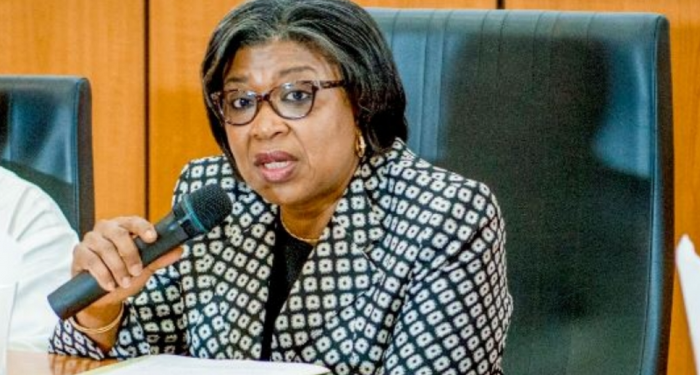
Announcing the development, the Minister of Industry, Trade and Investment and Nigeria’s Chief Negotiator, Dr. Jumoke Oduwole, MFR, described the agreement as a historic milestone that will “transform economic ties” between both countries and deliver direct benefits to Nigerian businesses, professionals and workers.
Under the CEPA, the UAE will immediately eliminate tariffs on over 7,000 Nigerian products, granting duty-free access for agricultural and industrial exports such as fish and seafood, oil seeds, cereals, cotton, pharmaceuticals and chemicals. Tariffs on Nigerian machinery, vehicles, electrical equipment, apparel and furniture will be phased out within three to five years.
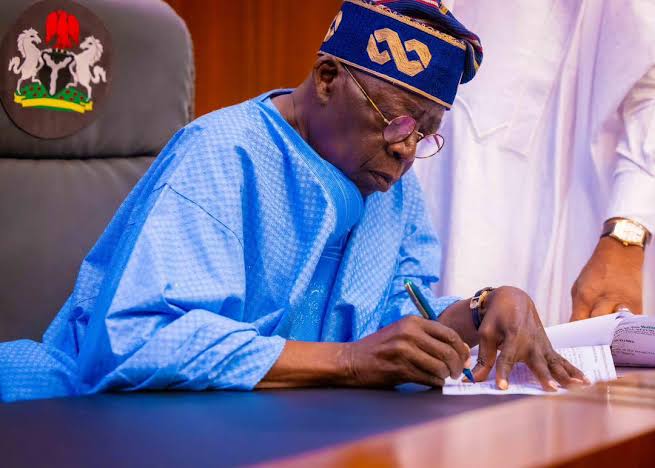
“This agreement prioritises market access for Nigerian goods and services, facilitates quality investment inflows, and advances our economic diversification objectives under President Bola Ahmed Tinubu’s Renewed Hope Agenda,” Oduwole said.
The agreement also allows Nigerian companies to establish corporate entities, branches and subsidiaries in the UAE, while Nigerian business visitors can stay up to 90 days within a year to explore trade and investment opportunities. In addition, Nigerian managers, executives and specialists can relocate through intra-corporate or renewable three-year periods.
On investment, the Minister stressed that the CEPA addresses long-standing barriers to foreign direct investment by providing clarity and confidence for UAE investors interested in Nigeria’s productive sectors. She said this would support industrialisation, improve transport and logistics infrastructure, and create quality jobs for Nigeria’s youthful population.
As part of Nigeria’s commitments, the country will eliminate tariffs on about 6,000 products, with 60 per cent liberalised immediately and the remainder phased over five years. These imports are largely industrial inputs, capital goods and machinery aimed at strengthening local productive capacity. Nigeria’s Import Prohibition List, however, remains intact. In services, Nigeria made commitments across 99 specific services in 10 sectors, including business, finance, transport, construction, health, tourism and digital services.
Describing the deal as strategic, Oduwole said the CEPA positions Nigeria as a key gateway for investors seeking access to the African Continental Free Trade Area (AfCFTA) market of 1.4 billion people.
She highlighted growing participation by UAE institutional investors such as First Abu Dhabi Bank, particularly in infrastructure financing, including support for the Lagos–Calabar Coastal Road. According to her, firms like Sky Capital have played a significant role in supporting the agreement and projecting Nigeria’s investment readiness, with deals expected to accelerate in agriculture, real estate, digital banking, retail and infrastructure.
The Minister assured that the agreement aligns fully with Nigeria’s obligations under the World Trade Organisation (WTO), AfCFTA and ECOWAS frameworks.
She added that the Federal Ministry of Industry, Trade and Investment, working with agencies such as the Nigeria Customs Service, the Nigerian Export Promotion Council, the Nigerian Investment Promotion Commission and the Standards Organisation of Nigeria, will ensure swift implementation and adequate support for businesses.
Commending members of the Nigerian negotiation team and their UAE counterparts led by Dr. Thani bin Ahmed Al Zeyoudi, Oduwole implored the Nigerian private sector to take advantage of the new opportunities.
“This agreement was negotiated for you,” she said. “Nigeria is open for business, and Nigerian businesses now have open access to the UAE, the Middle East and the rest of the world.”