

In a landmark judgment with far-reaching constitutional and political implications, the Supreme Court of Nigeria has affirmed the President’s authority to declare a state of emergency in any part of the federation and, where necessary, temporarily suspend elected state officials to restore law and order.
The apex court delivered the ruling in a 6–1 split decision on Monday, 15 December 2025, dismissing a suit filed by Adamawa State and 10 other states governed by the Peoples Democratic Party (PDP) challenging President Bola Tinubu’s declaration of emergency rule in Rivers State.
The plaintiffs had asked the court to nullify the President’s action, which included the six-month suspension of elected state officials, arguing that it violated constitutional provisions and democratic norms. However, the Supreme Court upheld the President’s powers under the 1999 Constitution (as amended).
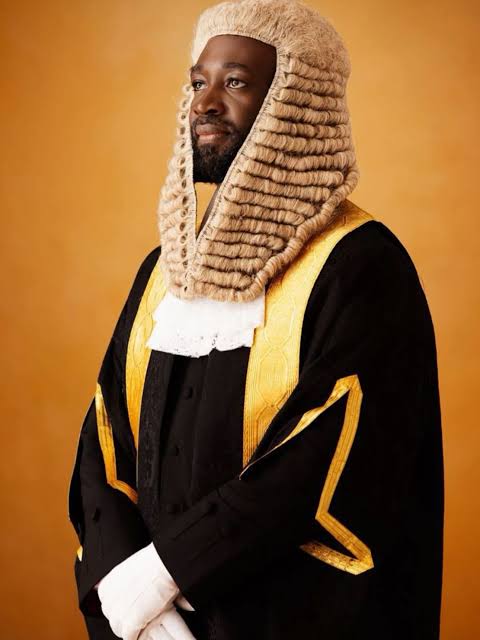
While reading the majority judgment, Justice Mohammed Idris held that Section 305 of the Constitution grants the President broad discretionary powers to take “extraordinary measures” in situations where there is a clear threat of a breakdown of law and order or descent into anarchy.
The court noted that although Section 305 does not expressly list the specific actions a President may take during a state of emergency, it does not prohibit temporary suspension of elected officials, provided such measures are limited in scope and duration and aimed strictly at restoring normalcy.
“The Constitution envisages decisive executive action in times of grave national or subnational emergency,” the court held, adding that emergency powers must be interpreted in a manner that allows the President to effectively secure lives, property, and democratic stability.
The Supreme Court also upheld preliminary objections on jurisdiction, ruling that the states lacked the standing to challenge the President’s action in the manner presented. Nonetheless, the court went further to address the substantive issues, ultimately ruling in favour of the Federal Government.
In a strong dissenting opinion, Justice Obande Ogbuinya disagreed with the majority judgement, arguing that while the President is empowered to declare a state of emergency, such authority does not extend to suspending democratically elected officials, including governors, deputy governors, and state lawmakers. He warned that such an interpretation could undermine federalism and democratic governance.
The judgment effectively validates President Tinubu’s emergency proclamation in Rivers State and sets a significant precedent on the scope of presidential powers during emergencies.
Political analysts say the ruling will likely reshape debates around executive authority, federalism, and crisis governance in Nigeria, while opposition parties and civil society groups are expected to continue scrutinising how such powers are exercised in practice.
For now, the Supreme Court’s verdict stands as the definitive legal position, in times of grave emergency, the President may take extraordinary, time-bound measures, including suspending elected officials, to safeguard constitutional order.