

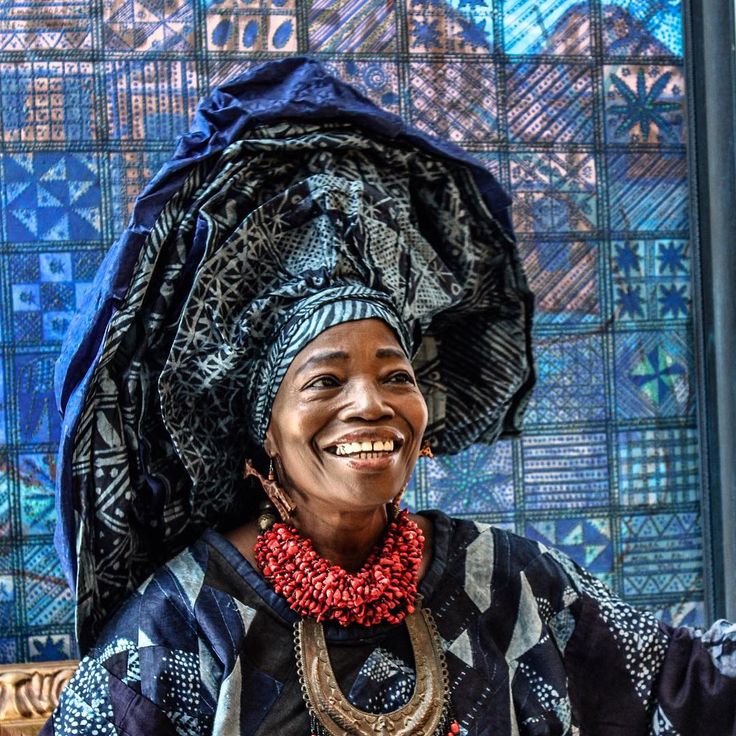

The Federal University Lokoja (FUL) has announced plans to establish an Institute of African Heritage and Museum Studies, to be named after Nigeria’s iconic batik artist and cultural ambassador, Chief (Mrs) Nike Okundaye.
The institute, to be known as the Nike (Okundaye) Institute of African Heritage and Museum Studies, will function as a research centre and offer diploma and postgraduate certificate programmes in African Heritage and Museum Studies.
According to the Project Coordinator, Rev. Father (Dr) Kolade-Paul Tubi, the decision to honour Nike Okundaye was in recognition of her exceptional commitment and pivotal role in bringing the project to fruition.
Chief Okundaye, who hails from Ogidi in Ijumu Local Government Area of Kogi State, is widely celebrated for popularising batik art on the global stage. She is the proprietor of the renowned Nike Art Gallery chain, with outlets in Lagos, Abuja, Osogbo and Ogidi.
As part of the activities marking the legacy projects of the outgoing Vice Chancellor, Professor Olayemi Akinwumi, the Kogi State Governor, Alhaji Ahmed Usman Ododo, will on Monday, February 9, 2026, inaugurate the Nike University Gallery at FUL’s Felele Campus, Lokoja.
During the event, Governor Ododo will also formally flag off the establishment of the Nike Institute of African Heritage and Museum Studies, perform the groundbreaking ceremony for the university’s Museum of Archaeology and Anthropology, and lay the foundation stone for the university’s Ethnographic Workshop.
Professor Akinwumi, whose tenure ends on Friday, February 13, 2026, said the establishment of the institute was aimed at rekindling national interest in heritage studies.
“At a time when advanced nations are deliberately investing in their history and heritage, many Nigerians, unfortunately see little value in engaging with their past,” he said. “This institute is designed to redirect attention to our heritage and help spark a long-overdue Nigerian renaissance.”
He added that naming the institute after Chief Nike Okundaye was an easy decision for the university’s management, noting that the celebrated artist personally funded the construction of the institute’s physical structures and furnished them with valuable and significant artworks.
“Naming the institute after her is the least the university can do to appreciate her extraordinary commitment and support,” the Vice Chancellor said.