

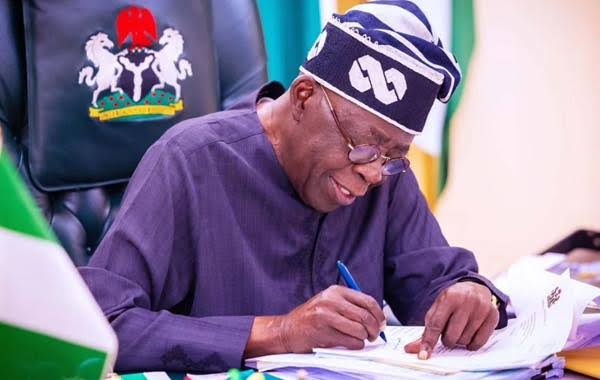

President Bola Tinubu on Wednesday, 18th February, 2026 signed the Electoral Act (Amendment) Bill, 2026 into law, marking a significant development in Nigeria’s electoral framework ahead of future general elections.
The brief but symbolic ceremony took place at the Presidential Villa in Abuja and was attended by the principal officers of the National Assembly, senior government officials, and aides.
The newly signed amendment is expected to introduce key adjustments to Nigeria’s electoral process, building on existing provisions in the Electoral Act. While details of specific changes are yet to be fully outlined publicly, the move underscores the administration’s commitment to strengthening democratic institutions and enhancing electoral credibility.
The signing comes after extensive deliberations by the National Assembly, where lawmakers debated various clauses of the amendment bill before its eventual passage and transmission to the President for assent.
By appending his signature, President Tinubu has effectively given legal backing to the revised provisions, setting the stage for implementation by the Independent National Electoral Commission (INEC).
Political observers say the amendment could shape preparations for subsequent elections, particularly in areas concerning election management, transparency mechanisms, and dispute resolution processes.
With the new law in place, attention now shifts to INEC and other relevant stakeholders to ensure seamless implementation in line with constitutional guidelines.
More details are expected to emerge as the presidency and lawmakers provide clarifications on the scope and implications of the amendments.