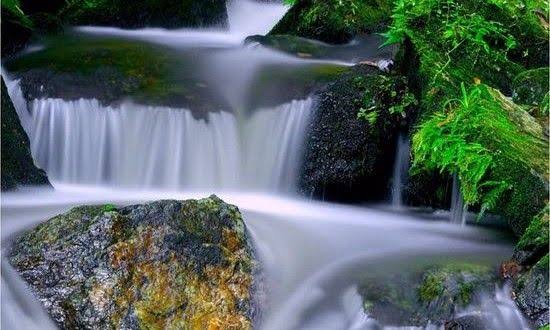


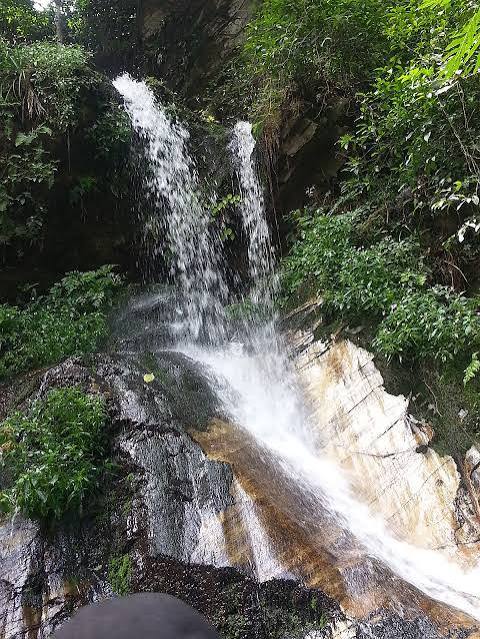

In the heart of southwestern Nigeria, tucked within the undulating hills and dense tropical forest of Ipole-Iloro community, lies one of nature’s most enchanting spectacles — Arinta Waterfall. Often described as one of Ekiti State’s best-kept natural secrets, Arinta is a breathtaking cascade of water flowing through ancient rock formations in a serene forest setting that exudes tranquility, mystery, and immense ecological and economic promise.
Beyond its aesthetic appeal, Arinta Waterfall embodies layers of history, culture, environmental significance, tourism potential, and economic opportunity. It is a symbol of Ekiti’s nickname as the “Land of Honour and Integrity,” but also a physical representation of the state’s rich topography, a region defined by hills, springs, forests, and water bodies.
This extensive publication examines Arinta Waterfall comprehensively, exploring its geographic setting, historical roots, cultural meaning, ecological importance, tourism facilities, economic impact, challenges, government and private sector involvement, and future potential as a sustainable tourism hub.
Arinta Waterfall is located in Ipole-Iloro, within Ekiti West Local Government Area, in Ekiti State. The waterfall sits approximately six kilometres from the internationally recognized Ikogosi Warm Springs, forming part of a natural tourism corridor in the state.
Ekiti State is characterized by rugged hills and ancient crystalline rock formations. Arinta lies along the Effon-Alaaye ridge system, where quartzite and granite rocks form steep slopes and natural channels for water flow. The waterfall emerges from a high elevation and cascades down through multiple rock layers, creating what locals describe as seven distinct steps or levels.
Each cascade forms a small plunge pool before continuing downward, giving the waterfall a layered and rhythmic structure. During the rainy season, the volume of water increases dramatically, intensifying the roar and visual spectacle. In the dry season, the flow becomes calmer but remains steady, preserving its year-round attractiveness.
The climate in this part of Ekiti is tropical, with distinct rainy (April–October) and dry (November–March) seasons. The forest surrounding Arinta is part of Nigeria’s moist forest belt, featuring: Tall hardwood trees, Thick undergrowth, Ferns and mosses and Medicinal plants known to local herbalists.
The cool microclimate around the waterfall, caused by evaporating mist and tree canopy shade provides natural air conditioning that contrasts with the warmer surrounding communities.
According to Oral tradition among the Ipole-Iloro people, early settlement and indigenous connection hold that the waterfall has existed for centuries and played a significant role in the settlement of the community. Early inhabitants relied on it as a primary source of fresh water for drinking, cooking, and farming.
Water bodies in Yoruba cosmology are often associated with spiritual meaning, and Arinta was no exception. While not widely regarded as a shrine in contemporary times, elders recount that the site was once approached with reverence and caution. Hunters and farmers would visit with respect, and children were often warned not to desecrate the forest.
In the 20th century, Arinta began attracting broader attention beyond its immediate locality. Educationists and explorers wrote about its beauty, and eventually, state tourism authorities began recognizing its potential.
Despite this awareness, the site remained largely undeveloped for decades due to limited infrastructure and insufficient investment. Only in the early 21st century did formal steps begin toward structured tourism development.
For cultural and social significance, people of Ipole-Iloro see Arinta Waterfall more than a scenic destination, it is a cultural landmark. It features prominently in local storytelling, folklore, and identity.
To them it serves as: A gathering point for festivals and celebrations, a symbol of pride for the community and a site used to showcase Ekiti’s natural wealth to visitors.
Some local narratives attribute healing properties to the waterfall’s water. Though scientifically unverified, visitors often claim that bathing in the water provides relief from certain skin conditions or bodily aches.
These beliefs, while rooted in tradition, contribute to the waterfall’s mystique and enhance its cultural tourism value.
The ecological and environmental importance include: Biodiversity Hotspot, the forest around Anita supports: Bird species (kingfishers, hornbills, forest doves), reptiles and amphibians, small mammals, insects crucial for pollination. Also the waterfall ecosystem supports aquatic organisms that depend on oxygen-rich flowing water.
Arinta again, contributes to local hydrological systems by, preventing soil erosion, recharging groundwater, supporting downstream farming activities, and protecting the waterfall is therefore critical not only for tourism but also for environmental sustainability.
The tourism potential and visitor experience including; Visitors to Arinta Waterfall can engage in:
Swimming in natural pools, hiking up the cascade levels, forest trekking, photography, picnicking and educational excursions
When Comparing with other waterfalls in southwestern Nigeria, Arinta is less commercialized and therefore offers a quieter, more pristine experience. Its proximity to Ikogosi Warm Springs allows tourists to visit two major attractions within one trip.
Although still developing, facilities currently available include:
Entrance gate and ticketing system, local tour guides, resting sheds, basic sitting areas, changing areas near the pools, small recreational spots
However, the site lacks: Standardized hotels within the immediate vicinity, 24-hour electricity, modern restaurants, advanced medical emergency facilities and fully developed road networks
The economic importance can be viewed from the following: Gate fees, tour guide services, parking fees, local vendor sales and employment creation which includes: Tour guides, food vendors, security personnel, artisans, and transport operators.
The importance also has direct impact on the rural community as the tourism stimulated road improvements, increased small business activity and youth engagement opportunities.
If fully and religiously developed, Arinta could significantly contribute to Ekiti State’s internally generated revenue.
Having realized the importance of Arinta waterfall to the socio-economic living standard of the people of Ekiti State, government in its wisdom deemed it fit, to partner with the Private Sector for the purpose of developing the site.
For this agreement to be fully attained, Ekiti State Government has given a recognition to Arinta waterfall as a strategic tourism asset by providing basic infrastructure such as improving on the access road to the site, provided basic security and encouraging private investment as tourism remains a key component of Ekiti’s diversification strategy beyond agriculture and civil service employment.
On the Private Sector Participation, a concession agreement was signed with private investors to: Upgrade the existing facilities, develop eco-lodges, improve branding and marketing, introduce structured tourism services. To this end, Progress has been gradual, with the view that framework for expansion is under-way.
Despite its promise, Arinta waterfall faces numerous challenges. These challenges range from limited infrastructure, inconsistent power supply, inadequate marketing/promotional activiti, seasonal road accessibility issues, limited healthcare access nearby and risk of environmental degradation if unmanaged
In spite all the challenges enumerated above, Opportunities for Sustainable Development are abound for steady growth. For example there is a room for Eco-Tourism Model, in this regard, sustainable tourism practices could include: Eco-lodges built with local materials, waste recycling systems, solar power installation, guided biodiversity tours, adventure Tourism.
In addition potential additions include: Zip-lining, rock climbing facilities, elevated canopy walkways, mountain biking trails, cultural Festivals. Annual “Arinta Festival” events could also attract: Artists, Musicians, Cultural performers and International visitors.
In line with the international best practices, it is Strategically imperative to work on and Upgrade on the access roads. Provide constant electricity via renewable energy. Build eco-friendly accommodation. Enhance digital marketing campaigns. Train local youths in hospitality management and finally Strengthen environmental protection laws.
Nigeria possesses numerous natural attractions, yet many remain underdeveloped. Arinta Waterfall represents the broader narrative of untapped tourism wealth in rural Nigeria. With proper branding and aggressively promotion, it could stand alongside the most iconic natural destinations in West Africa.
Arinta Waterfall is a magnificent ecological treasure, a cultural emblem, and an economic opportunity waiting to be fully realized. Its cascading waters symbolize resilience and continuity, flowing through generations of Ipole-Iloro residents while inviting the world to witness its beauty.
With coordinated government policy, responsible private investment, community ownership, and environmental stewardship, Arinta waterfall can transform from a hidden gem into a globally recognized eco-tourism destination.
Finally, It is not merely a waterfall, it is a promise of sustainable growth, rural empowerment, and natural heritage preservation for Ekiti State and Nigeria at large.