


The hair-raising account circulating online, from a Venezuelan security guard describing a sudden, technologically overwhelming attack and mysterious “sound wave” weapons, captures a mood of fear in parts of Latin America. Yet when placed alongside the verified timeline of U.S. military action and its documented consequences, it tells us something broader: the region has entered a new era of strategic uncertainty, where not only facts but perceptions shape policy.
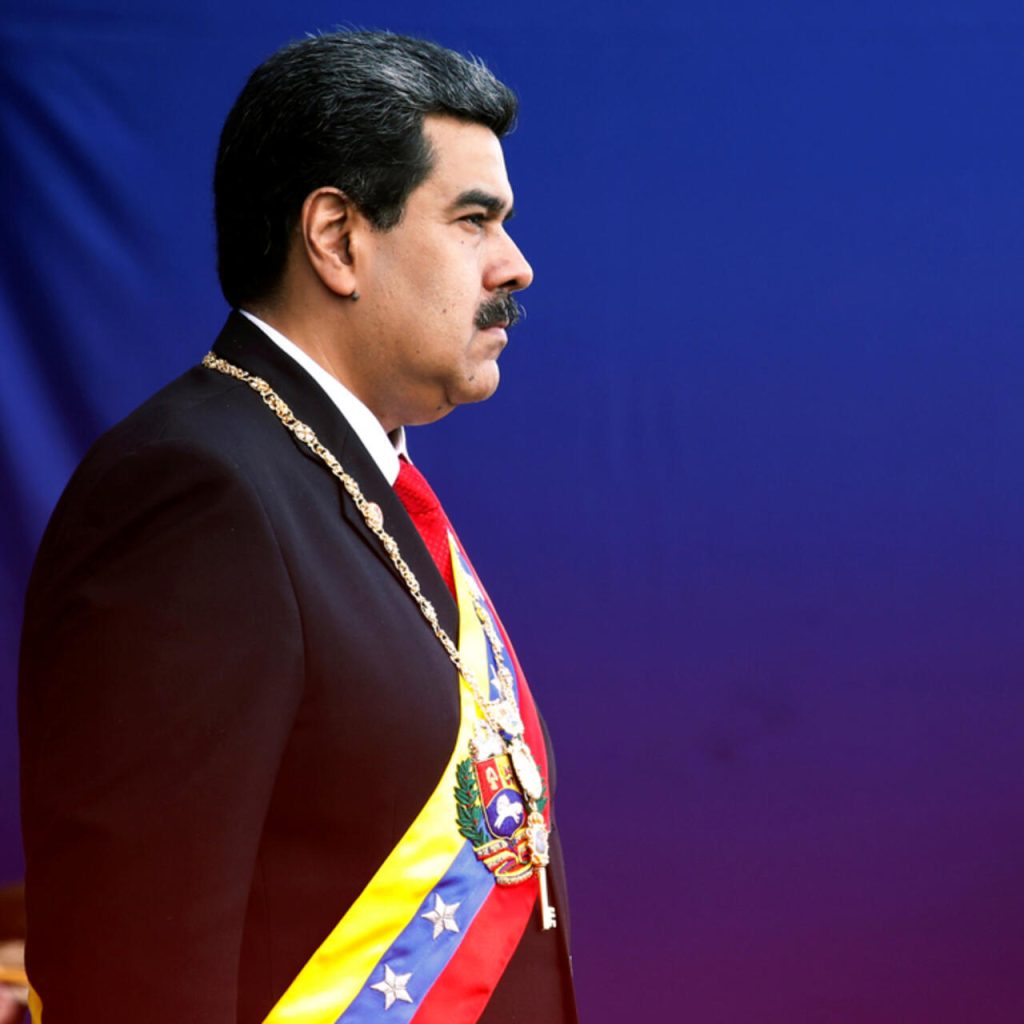
January 3, 2026 stands as the pivotal date. On that fateful morning, the United States launched a coordinated military operation in Venezuela, named Operation Absolute Resolve, that involved hundreds of aircraft and special operations forces. The objective, according to U.S. officials, was to capture Venezuelan President Nicolás Maduro and his wife, Cilia Flores, which was reportedly accomplished in a matter of hours.
This operation represents the most direct U.S. military intervention in Latin America since the 1989 invasion of Panama and marks the first overt regime-change action in the region in decades.
The legal basis cited by the Trump administration, a heavily redacted Department of Justice memo released after the fact, framed the raid as justified under U.S. law because of Maduro’s indictment on drug-trafficking charges, though that justification remains controversial and sharply contested by international law experts.
Video and eyewitness reports from Caracas showed multiple explosions and low-flying aircraft early that January morning, with strikes aimed at military targets and infrastructure. Venezuelan authorities reported casualties amongst military personnel and civilians.
Legal scholars argue the seizure of a sitting head of state without U.N. authorization violates international law. Regional governments from Brazil to Mexico condemned the action as a dangerous precedent.
Within the U.S., political friction surfaced as the Senate rejected a resolution to limit presidential war powers over further military interventions, underlining domestic unease over executive authority.
Against this backdrop, it’s understandable why the guard’s narrative, whether literal truth or influenced by trauma and propaganda has traction.
His description of highly precise firepower, technological superiority, and a paralyzing effect on Venezuelan forces mirrors broader perceptions that U.S. military capacity is unmatched in the region. That perception now informs strategic calculations from Mexico City to Buenos Aires.
But it’s important to separate anecdotal horror from confirmed capability: there’s no verified evidence that so-called sonic or exotic weapons were used in the operation. The technologies publicly acknowledged in Operation Absolute Resolve drones, helicopters, special forces and aviation assets, are amongst the most advanced but conventional military tools in the U.S. arsenal.
The capture of Maduro has had swift geopolitical repercussions: The U.S. is already selling Venezuelan oil and asserting temporary control over production as part of broader economic manoeuvring.
Analysts describe this as a catalyst for a Latin American geo-economic reset, challenging Russian and Chinese influence.
Negotiations are underway with Venezuelan political actors, including significant opposition figures over the country’s future governance.
These aren’t isolated developments; they reflect a strategic pivot by Washington toward reasserting influence in its immediate neighbourhood, after decades of diplomatic and economic pressure rather than kinetic involvement.
His story, raw, emotional, alarmist has symbolic power. It captures a psychological shift that facts alone don’t express: many in the region now see the United States not just as a distant hegemon but as a force capable of rapid, dramatic intervention on their soil.
Whether or not every detail of that account is literally accurate, its resonance speaks to a regional psyche reshaped by a single dramatic event, one that may influence policy discourse, military planning, and diplomatic relations throughout Latin America for years to come.